Machines are getting better at the thing that made you feel like yourself.
Not better at a task — better at the thing that gave you authority, identity, the quiet confidence that you belonged in the room. The gap between what you can do and what the machine can do isn't a skills problem. It's an identity crisis. And no one is talking about it honestly.
Every practitioner should be asking three questions:
- What does the human need?
- What can the AI handle?
- What requires me — not my tools, me?
Most organisations skip straight to the second question. They automate first and wonder later why people feel disposable. The triage starts with the human. Always.
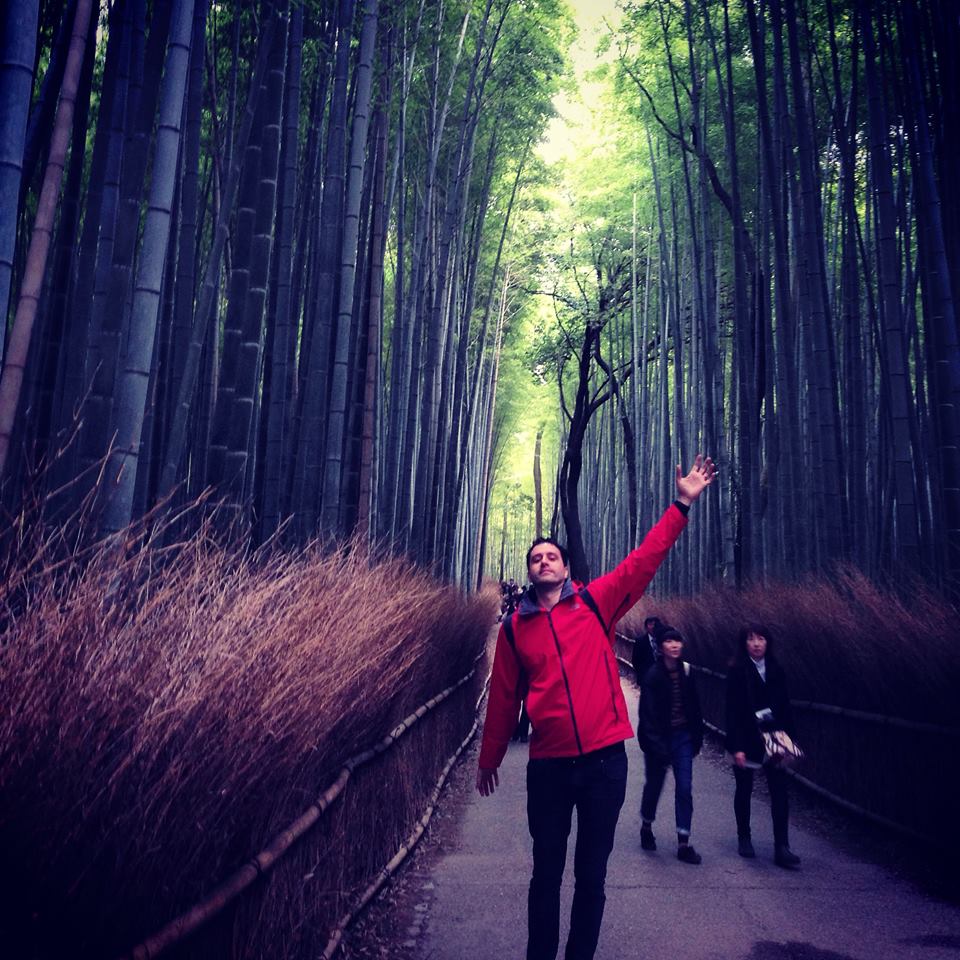
I don't install capability. I cultivate it.
Think of it as gardening. The technology is soil — necessary, but not the point. I do the first planting: help you understand your relationship with AI, set up sovereign tools that run on your hardware, build the foundation for a practice that's yours.
Then I come back. Seasonally. To prune what's overgrown, deepen what's working, and sit with what's uncomfortable. The human learns to trust their judgment alongside the machine. The machine learns the human's values, methodology, boundaries.
The hardware is sovereign because the relationship has to be yours — not rented from a platform, not dependent on someone else's terms of service, not training someone else's model with your clients' inner lives.
This is what I call the AI Gardener. A coach doesn't replace the gardener. A coach tends the garden.
Women kept from leadership. Creative people told to stay in their lane. Practitioners whose confidentiality obligations make cloud AI a non-starter. Anyone who's been told they need to 'upskill' when what they actually need is sovereignty over their own intelligence.
AI tools default to people who already have power. The interesting work is building for the people who don't.
Let's talk.
The full person → sterngold.nl